
By Usama Nicola
I begin with a heavy heart, filled with both frustration and urgency. This cycle of suffering and injustice will not end without miracles or without decisive and compassionate action from the global community. But such action will only come when more ordinary people around the world rise together, demanding that their leaders take real responsibility and commit to meaningful change. Until that time, the heartbreaking reality that Jewish historian Zachary Foster so thoroughly documents will persist, and countless Palestinian families will continue to pay the price.
Foster’s deeply researched article awakens within me a profound awareness of the long, painful history at the core of the Israeli-Palestinian conflict. Foster’s work, built on exhaustive archival research, exposes the harsh reality of Israel’s systematic campaign between 1968 and 1993 to forcibly displace Palestinian communities. This included forced expulsions, administrative revocation of residency rights, and deliberate attempts to erase the identities of refugees, actions aimed at removing Palestinians from their land both physically and symbolically.
As I immersed myself in the article, my thoughts drifted to those living through this history and to the many people around the world who remain unaware or detached. Too often, the conflict is misunderstood as a recent development or one that has only worsened in the past few years. Foster’s article serves as a stark reminder that the roots of this tragedy run extremely deep, anchored in decades of relentless occupation, displacement, and enduring suffering that Palestinians have faced generation after generation.
What struck me most powerfully is how this isn’t just a political or military struggle for Palestinians, it is a fight for existence, for recognition, and for survival. The policies deliberately designed to erase Palestinian lives, their history, and their identity are unyielding. Their persistence is gut-wrenching to witness. It breaks my heart to realize that justice feels so distant, and that this conflict will likely remain unresolved without a radical, collective shift in the will and conscience of the international community.
I firmly believe that every person living under occupation has the fundamental right to resist by any means available within the framework of the United Nations Charter. Personally, I am deeply inspired by those who choose nonviolent, popular resistance, their bravery in the face of overwhelming oppression is both humbling and hopeful. They remind me that courage does not always roar; sometimes, it is the quiet, steadfast refusal to be broken.
Yet, there are days when I feel consumed by anger and helplessness. The weight of injustice is crushing; it presses down on the heart so heavily that sometimes it almost feels unbearable. Still, within this shared pain and sorrow, I find a small, fragile ember of hope, we are not isolated. Our voices, though sometimes faint and wearied, continue to rise. We refuse to be erased or made silent. Our collective cry testifies to a truth so vital that it cannot be buried or ignored.
I know that forgiveness is often described as the key to freedom. But I find myself struggling to forgive a regime built on oppression and a global community that so often turns a blind eye. Even if we someday find it in our hearts to forgive after justice is served, I am certain we will never forget. And there must be lessons for all of humanity in this painful history, lessons about dignity, compassion, and the urgent need to stand against injustice wherever it occurs. We raise our voices. We cry out. And yet, change feels agonizingly slow. As a person of faith, forgiveness lies at the foundation of my beliefs, but it is not simple or easy. I do not believe God asks us to excuse evil; rather, God calls us to guard our hearts against being consumed by bitterness and hatred. Our prayers, our persistent cries for justice, and our refusal to remain silent are not in vain, they are seeds of hope that may one day grow into justice and peace. So, please, do not lose heart. Every act of kindness, every truthful word, every heartfelt prayer is a quiet revolution that has the power to transform our world.
Foster’s article reminded me, with piercing clarity, that we cannot truly engage with the present without first understanding the past. Only by confronting this difficult history honestly and fully can we hope to build a future grounded in justice, dignity, and lasting peace.
Support Usama’s writing ministry and family by subscribing to Bethlehem Updates as a generous supporter.
About the Author
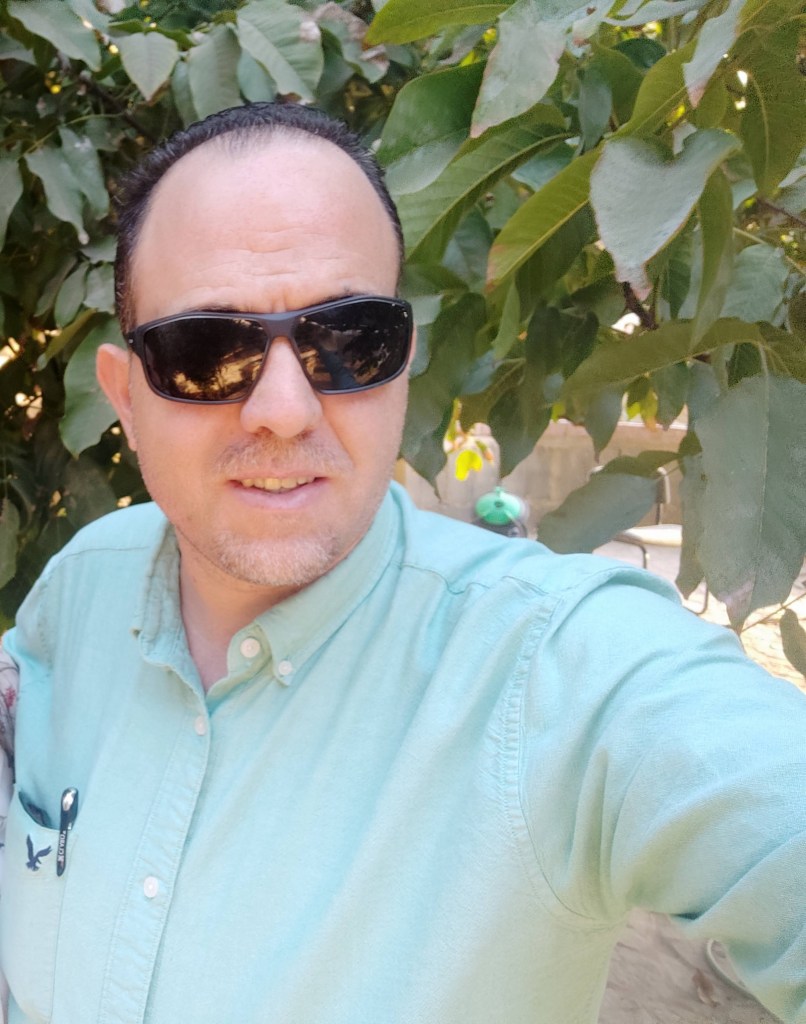
Usama is a Palestinian civil society activist, husband, and father of three, rooted in the ancient and resilient city of Bethlehem. He brings together his love for people, justice, and faith in everything he does. His writing flows from the lived realities of Palestinians under occupation, grounded in both hope and heartbreak, and carried by a deep commitment to human dignity and spiritual reflection.
Bethlehem the city where heaven met earth is not only Usama’s birthplace, but also the heart of his mission. For him, it is a sacred place where history, struggle, and faith meet; a city that teaches him daily about rootedness, resistance, and radical love. His stories rise from this soil, offering readers an invitation to listen deeply, reflect honestly, and act justly.
Through his Patreon page, Usama shares regular reflections, updates from Bethlehem, and spiritual insights, building a global circle of solidarity and learning. His hope is to warm hearts, challenge comfort, and remind people everywhere that even in places of sorrow, life still grows.
Support Usama’s writing ministry and family by subscribing to Bethlehem Updates as a generous supporter.
 Christian Minus Christianity