By Usama Nicola, Bethlehem, Palestine, October 2025
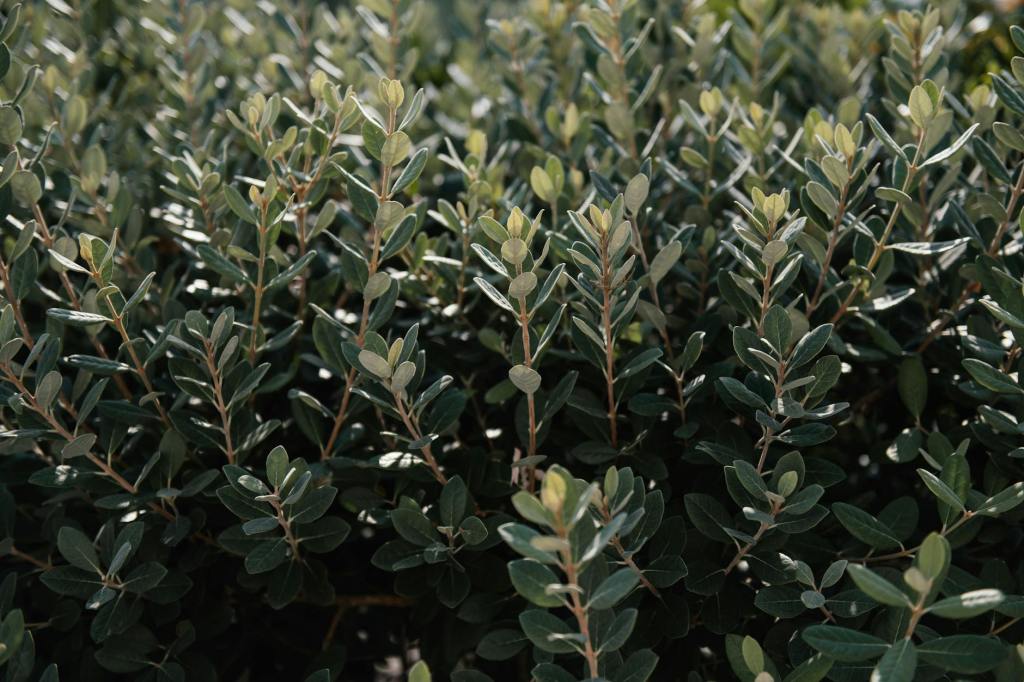
In Bethlehem, as in most Palestinian villages, the olive season is a significant social and cultural occasion. I grew up experiencing the harvest season with my family and cousins. Those were days filled with work and laughter; we would gather under the shade of the trees, eat homemade food, and sing to the land and the olives. Those moments carried the scent of belonging and the spirit of community.
A lot of what makes the olive season meaningful lies in its simplicity the rhythm of family hands moving in unison, the hum of conversation, the smell of crushed leaves. For generations, this harvest has stitched together our social fabric. It is not just an agricultural event but a season of renewal, when families reunite on their ancestral land.
But this year’s harvest is shadowed by fear and fire. The ceasefire in Gaza, announced only week ago, brought a fragile pause to the devastation, but across the West Bank, violence has only intensified. The occupation’s grip on the land remains unbroken, its control felt in every grove, every hillside, every olive branch.
On Thursday, October 16, Israeli forces arrested 32 international and local activists during the Olive 2025 campaign while they were helping farmers in Huwara and Burin, south of Nablus. The army declared the area a “closed military zone,” dragging volunteers away as farmers watched from behind the wire. The detainees were taken to the Ariel police station, inside a settlement built on confiscated Palestinian land.
That same day a settler, under military protection, attacked harvesters in the Umm Zueitina area east of Kisan village, southeast of Bethlehem. They set fire to farmland in Qaryut, and assaulted pickers in Qusra and Qablan, both south of Nablus. In Aqraba, Israeli soldiers fired sound bombs and tear gas toward the olive groves, forcing families to abandon the day’s harvest. The pattern is clear: violence to exhaust, fear to deter.
Villages across the Nablus governorate have faced daily harassment, trees uprooted, crops burned, people beaten or arrested for trying to pick olives on their own land. Since October 7, 2023, settlers have carried out over 7,000 attacks across the West Bank, killing 33 people and destroying or damaging nearly 49,000 trees, more than 37,000 of them olive trees. These are not random acts; they are a strategy to empty the hillsides of their guardians.
On Friday, October 17, Israeli forces blocked both Palestinian and Israeli peace activists from the Combatants for Peace movement who had come to assist the Qassas family in Battir village, near Bethlehem. “I haven’t been to my land since the war on Gaza began,” said Mrs. Hiam Qassas, the landowner. “Every year we try to reach the trees, but they stop us. They tell us to get permits, and when we try, they say no permits exist for olive harvesting.”
Such stories repeat across the land. In Beit Jala, families wake early to prepare food before heading to fields they may not reach. In Salfit and Nablus, volunteer groups try to accompany farmers, hoping their presence might deter settler assaults. The harvest has become not only labor but protest, an annual act of nonviolent resistance.
The Ministry of Agriculture marked October 9 as the official start of the 2025 harvest season, yet farmers predict one of the weakest yields in over a decade. Yes, drought and low rainfall less than half the yearly average have taken a toll. But the deeper drought is political. It is the forced absence from land, the fear that grips a farmer’s heart when he steps toward his trees, unsure whether he will return home that night.
Still, the olive season endures. In the face of arrests, fires, and soldiers, families continue to pick. Children play beside baskets of olives, learning both patience and defiance. Each tree that survives, each bottle of oil that emerges from the press, becomes a quiet victory against erasure.
In Gaza, the ceasefire has allowed a brief breath of air, though the wounds run deep. Farmers there speak of scorched fields and broken wells, yet they too are saving seeds, planting again. Across the West Bank, community nurseries are raising new olive seedlings to replace those uprooted by bulldozers and hate. They call it the harvest for tomorrow, a promise that even under siege, life continues to root itself.
The olive tree is not merely a crop; it is memory, endurance, and home. It bears witness when the world looks away. So as the 2025 harvest unfolds amid arrests, violence, and the thin calm of ceasefire Palestinians hold on to what remains sacred.
Because even now, surrounded by walls and fire, the olive tree does what it has always done: it grows.
Support Usama’s writing ministry and family by subscribing to Bethlehem Updates as a generous supporter.
About the Author
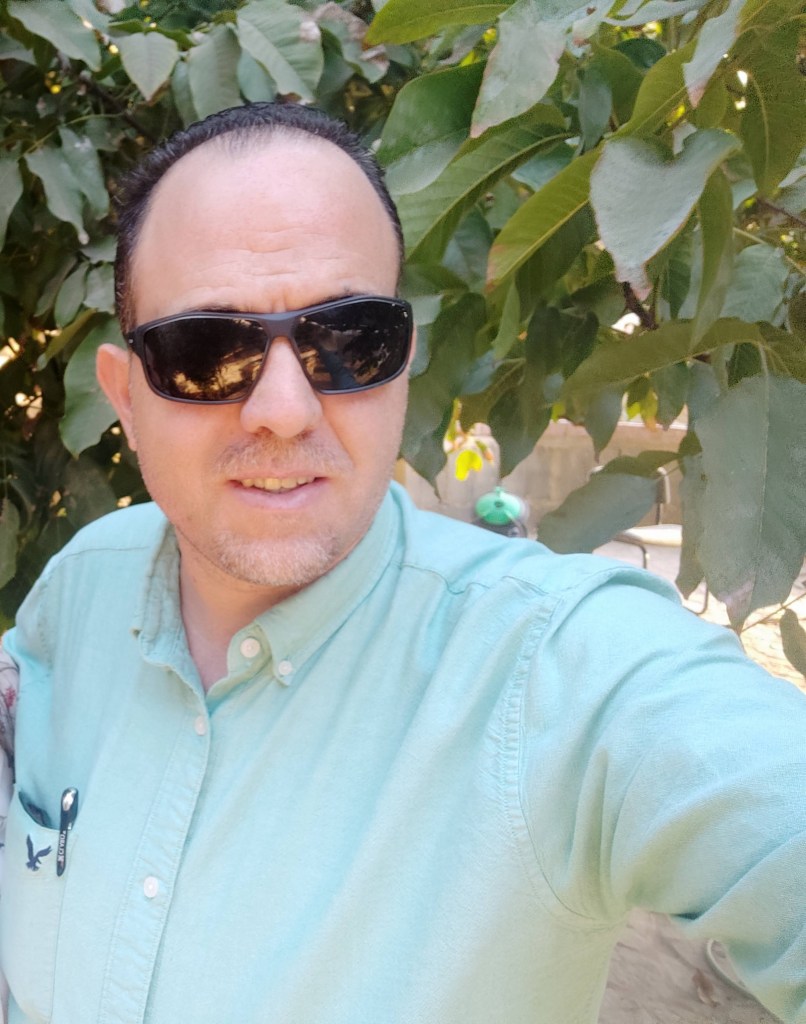
Usama is a Palestinian civil society activist, husband, and father of three, rooted in the ancient and resilient city of Bethlehem. He brings together his love for people, justice, and faith in everything he does. His writing flows from the lived realities of Palestinians under occupation, grounded in both hope and heartbreak, and carried by a deep commitment to human dignity and spiritual reflection.
Bethlehem the city where heaven met earth is not only Usama’s birthplace, but also the heart of his mission. For him, it is a sacred place where history, struggle, and faith meet; a city that teaches him daily about rootedness, resistance, and radical love. His stories rise from this soil, offering readers an invitation to listen deeply, reflect honestly, and act justly.
Through his Patreon page, Usama shares regular reflections, updates from Bethlehem, and spiritual insights, building a global circle of solidarity and learning. His hope is to warm hearts, challenge comfort, and remind people everywhere that even in places of sorrow, life still grows.
Support Usama’s writing ministry and family by subscribing to Bethlehem Updates as a generous supporter.
 Christian Minus Christianity