
By Usama Nicola, Bethlehem, Palestine, May 2026
The Meaning of Eid al-Adha
Eid al-Adha is considered one of the most important holidays in Islam. It is not only a religious celebration, but also a deeply spiritual and human occasion that carries meanings of faith, obedience, mercy, and solidarity. The holiday is connected to the story of the Prophet Abraham, who demonstrated his complete willingness to obey God and sacrifice his son before God redeemed him with a great ram. From this story came the tradition of the sacrifice, which became a symbol of generosity, devotion, and sharing goodness with others.
Eid Traditions in Palestine
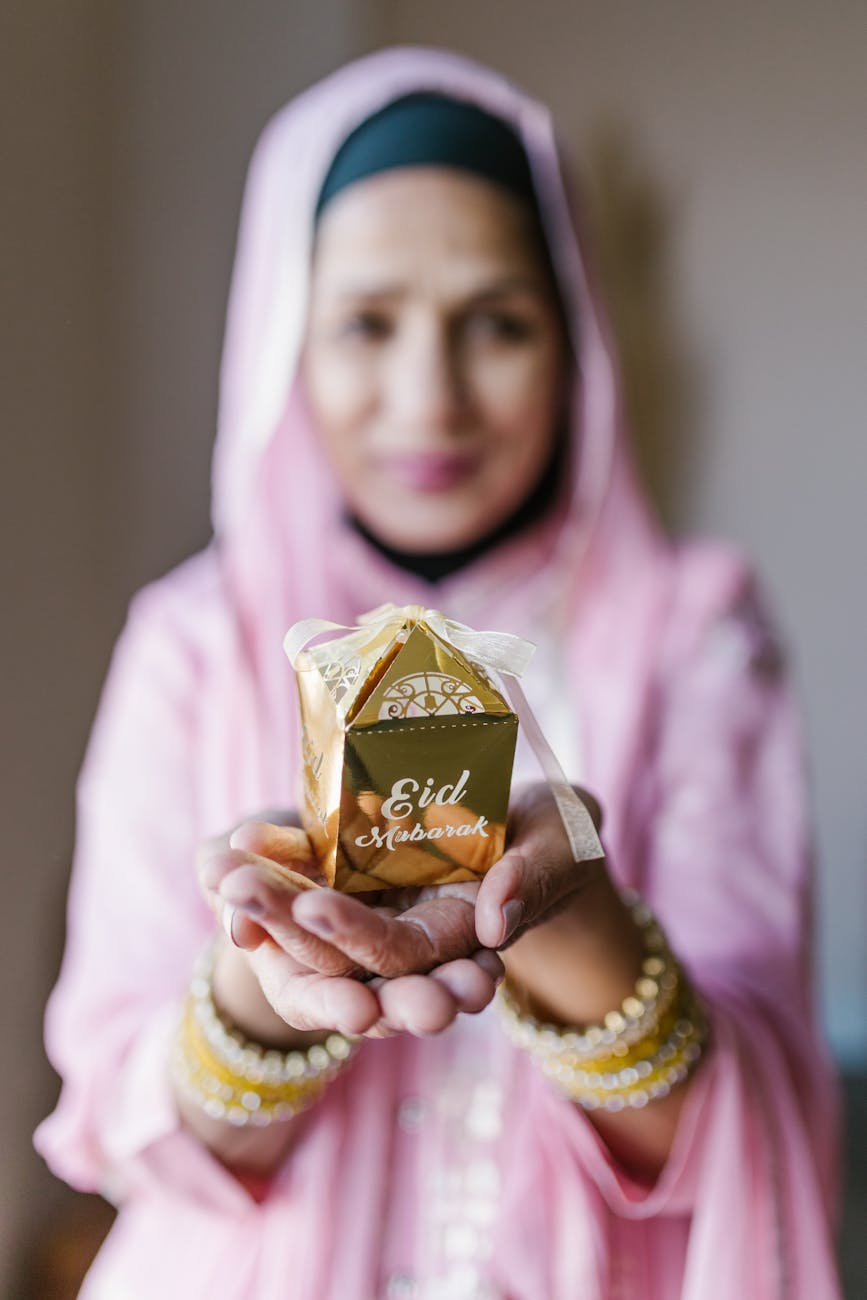
In Palestine, Eid al-Adha has a unique character that blends spirituality, social connection, and long-standing traditions. The morning of the holiday begins with communal prayers in mosques and public squares, where families and neighbors gather in an atmosphere filled with joy, prayer, and peace. After the prayer, people exchange visits and greetings, while homes fill with the aroma of Arabic coffee and traditional sweets.
One of the most important traditions of the holiday is the sacrifice of sheep or livestock. Families who are able to do so distribute part of the meat to relatives, neighbors, and those in need as an expression of love and social solidarity. In Palestinian culture, the sacrifice is not viewed only as a religious ritual, but also as a way of protecting the dignity of struggling families and ensuring that everyone can experience the joy of Eid. Families also prepare traditional meals, buy new clothes for children, and visit cemeteries to pray for departed loved ones, creating a moving blend of celebration, memory, and longing.
A Holiday Under Growing Pressure
Yet in recent years, the atmosphere of Eid in Palestine has become increasingly difficult because of worsening economic and humanitarian conditions.
In the hills of the West Bank, sheep farming, once a central part of Palestinian rural life, has become a daily struggle filled with fear and loss. Shepherds who once freely guided their flocks across open grazing lands now face repeated attacks by settlers, including assaults on herders, theft of sheep, restrictions on access to land, and confiscation of farming equipment. These conditions have forced many families to keep their sheep inside barns or close to their homes out of fear of losing them or facing violence. As grazing areas shrink and the costs of feed and transportation continue to rise, the market for Eid sacrifices has been directly affected, making the purchase of a sacrificial animal increasingly difficult for many Palestinian families.
An Eid Without Sacrifices in Gaza
In Gaza, this year’s Eid al-Adha has become painfully different in an unprecedented way. Many people have described it as “an Eid without sacrifices.” The ongoing war, blockade, widespread destruction, and growing famine have transformed everyday life completely. For many families, simply securing daily food has become an enormous challenge, let alone purchasing an animal for sacrifice, one of the central symbols of the holiday.
According to people in Gaza, the price of a ram that survived the war and starvation has risen to around $7,000 or even more, while in previous years it often cost less than $1,000. This dramatic increase has placed the tradition completely out of reach for most families, especially as thousands have lost their homes, income, and basic sense of safety. In many places, the familiar sounds of sheep filling the markets before Eid have disappeared, replaced by a heavy silence that reflects the depth of people’s suffering.
Holding On to the Spirit of Eid
And yet, despite all these harsh realities, Palestinians continue trying to preserve the spirit and meaning of Eid. In many neighborhoods and refugee camps, families share whatever simple food they have, while parents try in modest ways to bring joy to children. For many Palestinians, Eid is not only about the sacrifice itself or outward celebrations, but about holding onto hope, supporting one another, and preserving human dignity even in the most difficult circumstances.
Perhaps this is what makes Eid al-Adha in Palestine more than just a religious holiday. It is also a story of resilience, faith, and love for life: a reminder that mercy and solidarity can remain alive even in the midst of pain and loss.

About the Author
Usama is a Palestinian civil society activist, husband, and father of three, rooted in the ancient and resilient city of Bethlehem. He brings together his love for people, justice, and faith in everything he does. His writing flows from the lived realities of Palestinians under occupation, grounded in both hope and heartbreak and carried by a deep commitment to human dignity and spiritual reflection.
Bethlehem, the city where heaven met earth, is not only Usama’s birthplace but also the heart of his mission. For him, it is a sacred place where history, struggle, and faith meet; a city that teaches him daily about rootedness, resistance, and radical love. His stories rise from this soil, offering readers an invitation to listen deeply, reflect honestly, and act justly.
Through his Patreon page, Usama shares regular reflections, updates from Bethlehem, and spiritual insights, building a global circle of solidarity and learning. His hope is to warm hearts, challenge comfort, and remind people everywhere that even in places of sorrow, life still grows.
Support Usama’s writing ministry and family by subscribing to Bethlehem Updates as a generous supporter.