
By Usama Nicola, Bethlehem, Palestine, September 2026
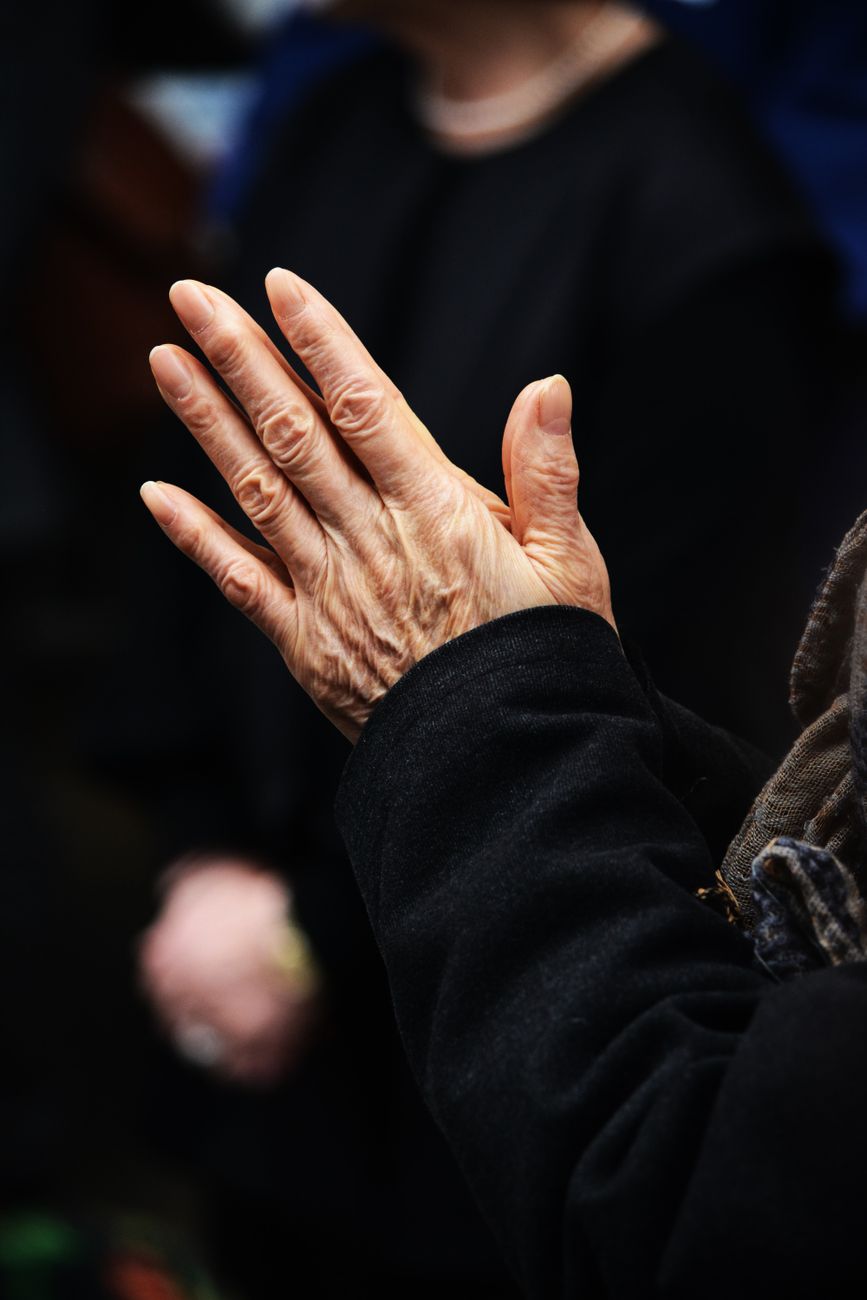
Prayer is not merely words we repeat to present our needs, nor is it an attempt to persuade heaven to intervene in our earthly reality. It is far deeper than a request or a passing wish. At its core, prayer is an invitation to a living encounter with the Creator, a space where a person enters the presence of God with complete honesty.
We do not pray to inform God of what we lack, He knows everything, and we do not pray to change His mind about us. Rather, we pray so that our own thoughts may be transformed, drawing closer to His wisdom and aligning with the rhythm of His will. This is why the Apostle Paul reminds us:
“Do not conform to this age, but be transformed by the renewing of your mind, so that you may discern what is the will of God, what is good, pleasing, and perfect.” (Romans 12:2)
Prayer, then, is not an escape from reality, but an ongoing journey of inner transformation. It is a moment of honest confrontation with the self in the light of God. In this light, we cannot hide behind our masks, instead, we see ourselves as we truly are, with our weaknesses, questions, and conflicting desires. There, in this deep honesty, God begins to reshape our hearts.
Over time, we discover that prayer resembles a kind of spiritual calibration of the heart. It reorders our priorities and adjusts the direction of our lives according to a heavenly standard. We do not simply present our plans to God for His blessing, we place them in His hands to be refined in the fire of His holiness, so that only what aligns with the essence of His kingdom remains.
In this quiet school, we learn true obedience. The voice of the self gradually fades, and in its place grows a deeper capacity for God’s love and trust. Prayer is not a battlefield between two wills, but a journey of union between the human will and the will of God.
Jesus Christ gave us the clearest example of this depth. Prayer in His life was not merely a religious ritual, but a constant state of presence with the Father. He would withdraw to solitary places to pray, not to change the Father’s will, but to be fully united with it.
In the Garden of Gethsemane, we see the height of this spiritual mystery. There, in a moment of human pain and fear, prayer opened into its deepest meaning. The Gospel says:
“He went a little farther and fell on His face, and prayed, saying, My Father, if it is possible, let this cup pass from Me. Yet not as I will, but as You will.” (Matthew 26:39)
Here we touch the true essence of prayer. Christ did not hide His pain, nor deny the difficulty of the path, but He surrendered His heart completely to the will of the Father. In that moment, the external reality did not change, but the heart became fully united with God’s will.
Thus, we learn that the success of prayer is not measured by how many of our requests are fulfilled, but by how much our hearts are transformed. The true success of prayer is learning, over time, to desire what God desires.
When this inner transformation takes place, a peace is born in the heart that cannot be explained by human understanding. It is the peace the Apostle Paul spoke of:
“Do not worry about anything, but in everything, by prayer and supplication with thanksgiving, let your requests be made known to God. And the peace of God, which surpasses all understanding, will guard your hearts and minds in Christ Jesus.” (Philippians 4:6, 7)
This peace does not mean the absence of pain or the end of difficulties, but it means that the heart is no longer held captive by fear. Prayer opens within us a space where time meets eternity.
Yet prayer does not stop at the boundaries of our own hearts. As we draw closer to God in prayer, our hearts naturally expand to include others. We become more sensitive to people’s pain and more willing to carry them before God.
Often, someone may come to us and simply say, “Remember me in your prayer.”
These words may seem small, but they carry deep trust. When someone asks for our prayer, they open a door for us to share, even in a small way, in carrying the burdens of their life.
This is why the Bible encourages us:
“I urge, then, first of all, that petitions, prayers, intercession, and thanksgiving be made for all people.” (1 Timothy 2:1)
Praying for others is a living expression of love. In those moments, we become, in a quiet and unseen way, partners in carrying one another before God. We may not always see the results of these prayers, but we trust that God works in hearts in ways beyond what our eyes can perceive.
At times, I discover in my own life that praying for others changes me as well. When I remember people in my prayers, the space within my heart widens, and the world becomes less narrow than it once seemed.
In this way, prayer becomes a hidden network of grace connecting hearts to one another. Every prayer we offer for another person becomes a small sign of hope, a quiet bridge linking earth and heaven.
In the end, we realize that prayer is the place where time, our changing lives filled with questions, meets eternity, God’s unchanging will that guides history with love.
Christianity, therefore, is not a religion of rigid rules, but a life lived in the presence of Christ. Prayer is this ever-open door, where we learn to stop pretending and allow God to work silently in our depths, rebuilding the human person from within.
In the end, prayer is not an attempt to change God, but the journey in which a person allows God to change them.

About the Author
Usama is a Palestinian civil society activist, husband, and father of three, rooted in the ancient and resilient city of Bethlehem. He brings together his love for people, justice, and faith in everything he does. His writing flows from the lived realities of Palestinians under occupation, grounded in both hope and heartbreak and carried by a deep commitment to human dignity and spiritual reflection.
Bethlehem, the city where heaven met earth, is not only Usama’s birthplace but also the heart of his mission. For him, it is a sacred place where history, struggle, and faith meet; a city that teaches him daily about rootedness, resistance, and radical love. His stories rise from this soil, offering readers an invitation to listen deeply, reflect honestly, and act justly.
Through his Patreon page, Usama shares regular reflections, updates from Bethlehem, and spiritual insights, building a global circle of solidarity and learning. His hope is to warm hearts, challenge comfort, and remind people everywhere that even in places of sorrow, life still grows.
Support Usama’s writing ministry and family by subscribing to Bethlehem Updates as a generous supporter.