
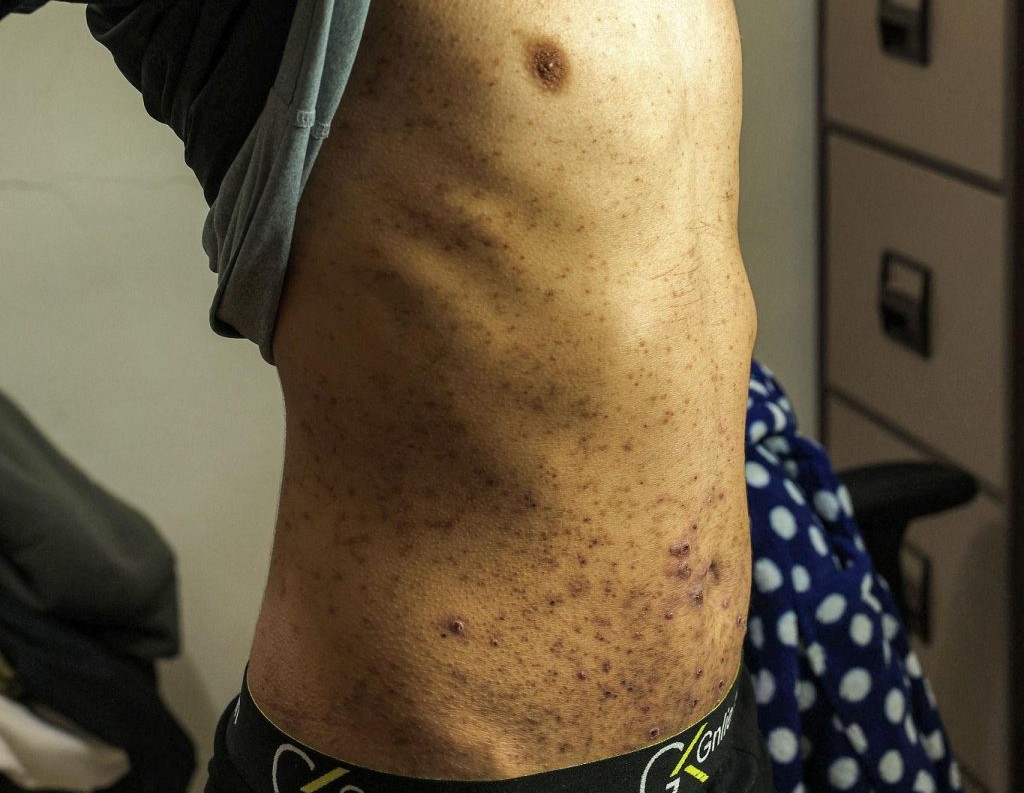
Photo by paldocts.com.
A Humanitarian Crisis Behind Prison Walls
Thousands of Palestinian prisoners and detainees held in Israeli prisons are reportedly facing deteriorating health and living conditions, marked by medical neglect, food shortages, overcrowding, the spread of infectious diseases, and restrictions on basic hygiene and outdoor activities. These conditions raise serious concerns about the protection of their fundamental rights, human dignity, and lives.
According to Palestinian prisoners’ institutions, the situation has become particularly alarming for prisoners suffering from serious injuries, chronic pain, and preventable illnesses. Delays in medical examinations, inadequate medication, and shortages of essential supplies risk turning treatable conditions into prolonged suffering and potentially life-threatening complications.
Individual Cases: Preventable Suffering and Medical Neglect
According to the Palestinian Commission of Detainees and Ex-Detainees Affairs, the health conditions of three Palestinian prisoners have deteriorated amid medical neglect and harsh detention conditions.
- Hayel Daifallah, 60, from Rafat, northwest of Ramallah, reportedly suffers from dental injuries following an assault after his arrest. He has also contracted scabies, a contagious but treatable skin disease, and has reportedly not received the necessary medical treatment.
- Adi Jamal Anabs, 35, detained since 25 May 2025, continues to suffer severe pain from previous injuries, including a bullet fragment reportedly lodged in his lungs. He requires medical examinations and an X-ray, but the Commission reports that the necessary investigations and treatment have not been provided. He is held in Ramon Prison, where food quality and outdoor access are also reportedly inadequate.
- Ammar Jamal Anabs, 38, detained since 21 January 2016 and serving a 24-year sentence, reportedly suffers from persistent knee and lower-back pain. According to the Commission, prison authorities have refused to provide his prescribed medication or alternative pain relief. He has also reportedly lost approximately 17 kilograms since the beginning of the war on Gaza, amid food shortages, and is allowed no more than 20 minutes of outdoor time daily.
These cases illustrate the human consequences of reported failures to provide adequate medical care, nutrition, and humane detention conditions. No person should be left to endure preventable pain or risk lasting harm because essential treatment is withheld or delayed.
Scabies Outbreaks and Deteriorating Living Conditions
Palestinian prisoners’ institutions have warned of the spread of scabies in Israeli prisons, attributing the growing health risks to overcrowding, shortages of hygiene products and clean clothing, and inadequate infection-control measures.
Scabies causes intense itching, sleep disruption, skin injuries, and sometimes secondary bacterial infections. Although it is treatable, controlling outbreaks requires appropriate medication, clean clothing and bedding, adequate sanitation, and coordinated treatment of affected prisoners and close contacts.
The reported shortages of these essentials place prisoners at further risk and demonstrate how inadequate living conditions can intensify otherwise preventable suffering.
Thousands of Prisoners at Risk
According to figures provided by Palestinian prisoners’ institutions, approximately 9,350 Palestinian prisoners and detainees were held in Israeli detention facilities as of early September 2026. The supplied figures include approximately 90 women, more than 350 children, and 3,176 administrative detainees held without charge or trial, according to the cited statistics.
Palestinian prisoners’ institutions have also reported that at least 92 Palestinian detainees whose identities were documented had died in Israeli custody since 7 October 2023, as of 12 October 2026. The reported cumulative number of Palestinian prisoners who have died in custody since 1967 stands at 329. These figures require continued independent verification, particularly given concerns about restricted information and the unresolved fate of some detainees.
For comparison, the United Nations Human Rights Office reported on 17 September 2025 that at least 75 Palestinians had died in Israeli custody between 7 October 2023 and 31 August 2025, while noting additional cases for which identities could not be verified.
Every death in custody demands transparent investigation, and every prisoner is entitled to appropriate medical care and humane treatment, regardless of political affiliation or alleged offence.
Detention Without Trial and the Denial of Due Process
The crisis facing Palestinian prisoners extends beyond deteriorating health and harsh living conditions. Thousands of Palestinians have been held in Israeli detention without charges or a trial, including under the policy of administrative detention, which allows detention without formal criminal proceedings. Palestinian prisoners’ institutions and human rights organizations have raised serious concerns about the use of secret evidence, repeated detention orders, and the inability of detainees to effectively challenge the grounds for their imprisonment.
In its 2024 report Welcome to Hell, the Israeli human rights organization B’Tselem documented testimonies from 55 Palestinians released from Israeli detention, almost all of whom had reportedly been held without charges. Its January 2026 follow-up, Living Hell, presented further testimonies and allegations of systematic abuse, inadequate medical care, starvation, and inhumane detention conditions. B’Tselem characterized the prison system as a network of torture camps. This is a grave assessment made by the organization, rather than a formal legal classification of the facilities.
Children Behind Bars
Children are also among those arrested and detained. Their detention raises particularly serious concerns because international law recognizes their vulnerability and requires special safeguards, including detention only as a last resort.
In a 2026 statement to the UN Security Council, UNICEF’s Deputy Executive Director cited figures indicating that at least 355 Palestinian children from the West Bank were being held in Israeli military detention, including 164 under administrative detention without charge or trial. These figures underscore the urgent need to protect children from arbitrary detention and ensure their rights, health, education, and psychological well-being.
The Language of Captivity: Prisoners or Hostages?
The double standard is clear in how Israelis are called “hostages” while Palestinians are called “prisoners,” revealing how language can humanize one group’s suffering while normalizing the other’s captivity.
The essential principle is that every person’s freedom, dignity, and right to due process deserve equal consideration, regardless of nationality or identity. The suffering of Israeli hostages and Palestinian detainees should not be used to diminish the suffering of either group.
International Law and the Need for Immediate Action
International humanitarian law and international human rights law establish obligations to protect people deprived of their liberty. The Fourth Geneva Convention, where applicable, and the International Covenant on Civil and Political Rights provide important safeguards concerning humane treatment, health, and protection from torture and cruel, inhuman, or degrading treatment. The United Nations Nelson Mandela Rules further establish internationally recognized standards for healthcare, nutrition, hygiene, and prison conditions.
The reported cases raise serious concerns about compliance with these protections and require independent monitoring and investigation.
The international community, including the United Nations, the International Committee of the Red Cross, and international health and human rights organizations, must urgently:
- Ensure prompt medical examinations, specialist referrals, and access to essential medication for sick and injured prisoners.
- Provide adequate food, clean clothing, hygiene supplies, sanitation, and effective treatment to contain infectious diseases.
- Facilitate independent monitoring and meaningful humanitarian access to detention facilities.
- Investigate deaths in custody and credible allegations of medical neglect or abuse, ensuring transparency and accountability.
Conclusion: Human Life Cannot Wait
The suffering of Palestinian prisoners reflects a grave humanitarian concern that demands urgent and sustained international attention. Untreated injuries, persistent pain, significant weight loss, and the spread of preventable disease must not be accepted as inevitable consequences of imprisonment.
Behind every statistic is a human being whose health and dignity matter, and a family living with fear and uncertainty. The international community must move beyond expressions of concern and take concrete steps to ensure access to medical care, adequate nutrition, humane conditions, independent oversight, and accountability.
Protecting the lives, health, and dignity of Palestinian prisoners is an urgent humanitarian and human rights responsibility. Immediate action is needed to prevent further suffering and loss of life.
References
- B’Tselem. (2024, August 5). Welcome to Hell: The Israeli Prison System as a Network of Torture Camps. https://www.btselem.org/publications/202408_welcome_to_hell
- B’Tselem. (2026, January). Living Hell: The Israeli Prison System as a Network of Torture Camps. https://www.btselem.org/sites/default/files/publications/202601_living_hell_eng.pdf
- UNICEF, UNRWA, and OHCHR. (2022, January 20). UN agencies call for the immediate release of a seriously ill Palestinian child detained in Israel. https://www.unicef.org/press-releases/un-agencies-call-immediate-release-seriously-ill-palestinian-child-detained-israel
- UNICEF. (2026). Remarks to the United Nations Security Council on escalating violence in the West Bank. https://www.unicef.org.uk/press-releases/unicef-deputy-executive-director-hannan-suliemans-remarks-at-the-united-nations-security-council-meeting-on-escalating-violence-in-the-west-bank/
- International Committee of the Red Cross (ICRC). Hostages: Definition under international humanitarian law. https://casebook.icrc.org/a_to_z/glossary/hostages
- Palestinian Commission of Detainees and Ex-Detainees Affairs. Official website and reports on prisoners’ health and detention conditions. https://cda.gov.ps/index.php/en
- Palestinian Prisoners’ Society. Reports and human rights documentation concerning Palestinian prisoners. https://www.ppsmo.ps/ (Arabic language only)
- Office of the United Nations High Commissioner for Human Rights (OHCHR). (17 September 2025). At least 75 Palestinians have died in Israeli detention since 7 October 2023. https://www.un.org/unispal/document/ohchr-press-release-17sep25/
- Office of the United Nations High Commissioner for Human Rights (OHCHR). (31 July 2024). Detention in the context of the escalation of hostilities in Gaza (October 2023–June 2024). https://www.un.org/unispal/document/thematic-report-detention-gaza-31jul24/
- United Nations. International Covenant on Civil and Political Rights. https://www.ohchr.org/en/instruments-mechanisms/instruments/international-covenant-civil-and-political-rights
- United Nations Office on Drugs and Crime (UNODC). United Nations Standard Minimum Rules for the Treatment of Prisoners (the Nelson Mandela Rules). https://www.unodc.org/unodc/en/justice-and-prison-reform/nelsonmandelarules.html