
An analysis of the latest Israeli measures in Hebron Governorate and their implications for Palestinian land, housing, and urban development.
Hebron (Al-Khalil), one of the oldest and most historically significant cities in Palestine, is facing renewed challenges to its agricultural land, residential stability, and local governance. Two developments reported on November 12 and November 16, 2026, have raised concerns among Palestinian officials and residents about the future of land use and urban development across the governorate.
The first concerns an Israeli military order requiring the removal of almond trees and natural vegetation from agricultural land in Dura and Tarqumiya. The second involves demolition orders targeting residential buildings in Hebron, including two apartment buildings containing approximately 65 units, reportedly licensed by the Hebron Municipality around ten years ago.
Although these measures target different types of property, they raise a common question: to what extent can Palestinian communities protect their land, develop their cities, and maintain their economic and social stability?
Agricultural Land Under Threat
On November 12, the Palestinian Wall and Settlement Resistance Commission announced that Israeli authorities had issued Military Order No. 139/26, requiring the removal of wild vegetation and almond trees from approximately 37.782 dunums of agricultural land in Dura and Tarqumiya, in the Hebron Governorate.
The order, signed by Israeli military commander Avi Bluth on October 28, 2026, covers a route extending approximately 7,558 metres. The targeted areas include several locations in Dura, among them Tars, Wadi Khuzem, Khirbet Deir Samit, Khirbet Sabr, Jabal al-Saadi, and Khirbet al-Deir, in addition to land in Tarqumiya.
Israeli authorities have reportedly justified the measure on security grounds. However, the Commission expressed concern about its environmental and economic consequences, particularly given the extensive area affected and the agricultural significance of the targeted trees.
Under the order, landowners or those responsible for the properties are required to remove the vegetation within seven days of a field inspection scheduled by the Israeli liaison authorities. They are also given only seven days from the inspection to submit objections. If the owners fail to carry out the removal within the specified period, the military commander may authorize other parties to undertake the work.
The Commission clarified that the order does not itself transfer ownership of the land. Nevertheless, it warned that removing almond trees and natural vegetation could undermine agricultural productivity, damage the local environment, and restrict farmers’ ability to benefit from their properties.
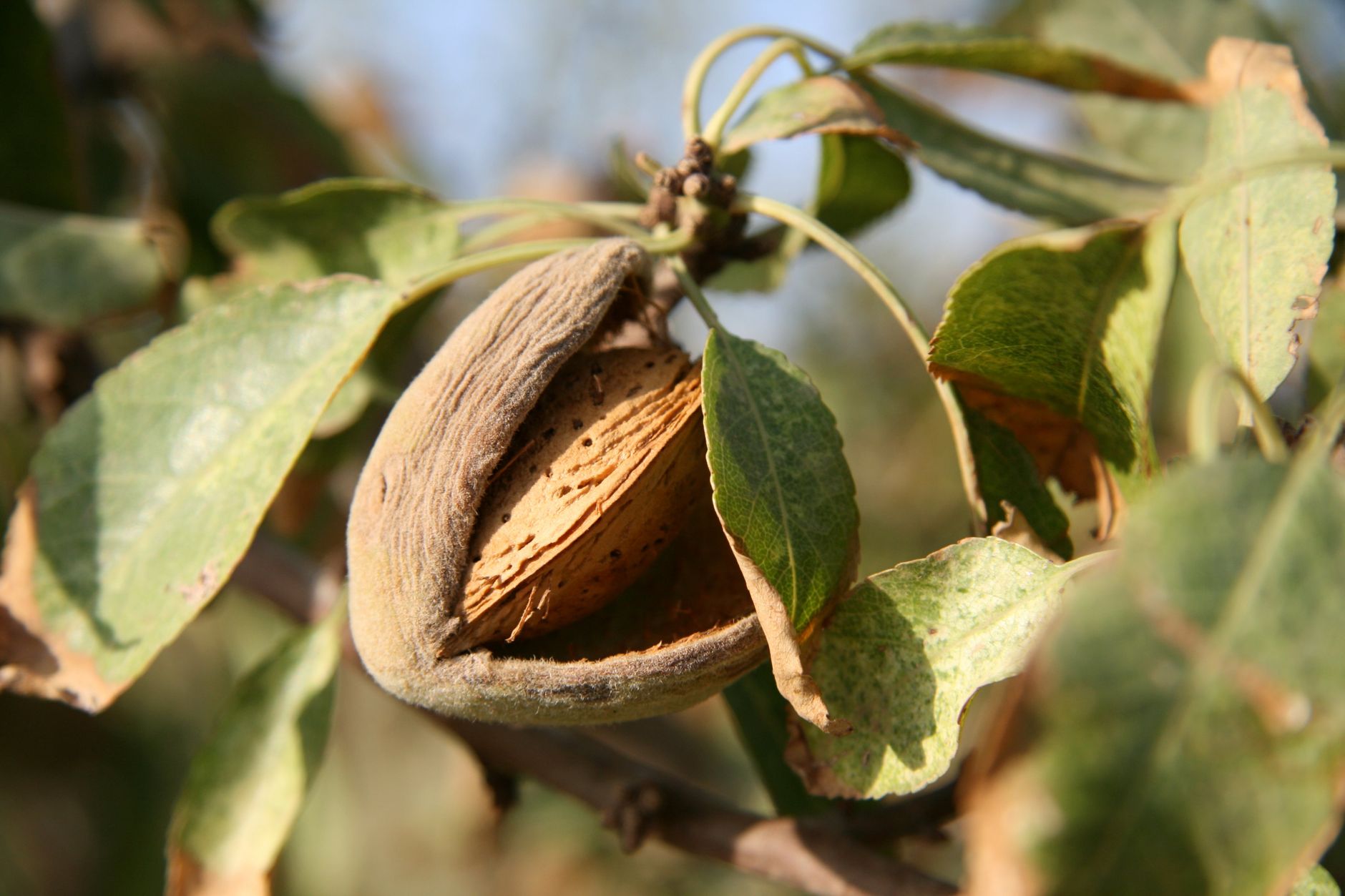
For Palestinian farmers, almond trees represent much more than agricultural assets. They are part of a longstanding relationship between families and their land, often reflecting years of cultivation, investment, and inherited agricultural traditions. Their removal would therefore have consequences extending beyond the immediate physical damage, potentially affecting household incomes, environmental balance, and the continuity of rural livelihoods.
Demolition Orders Against Licensed Residential Buildings
Just four days later, on November 16, another development highlighted the growing concerns surrounding residential construction in Hebron.
Israeli authorities issued demolition notices targeting residential buildings, including two apartment blocks containing approximately 65 apartments, as well as private homes. According to Hebron Mayor Engineer Yousef Al-Jabari and municipal council member Muammar Al-Awiwi, the two buildings contain 25 and 40 apartments respectively and hold building permits issued by the Hebron Municipality approximately ten years ago.
One of the affected property owners, Samer Abu Hdeid, also reported receiving a demolition notice targeting his private villa. He stated that the property had been licensed by the municipality in 2021 and that he had been given seven days to submit an objection. He confirmed that he had already filed an objection against the decision.
Mayor Al-Jabari described the demolition measures as an infringement on the municipality’s authority and an attempt to impose a new reality on the city. He expressed particular concern about developments in Farsh al-Hawa and the northwestern areas of Hebron, where residential communities and construction projects are reportedly facing increasing restrictions.
The mayor argued that these measures create an atmosphere of uncertainty and insecurity among residents and could contribute to pressure on families to leave their homes.
He also connected the developments to the 1997 Hebron Protocol, signed under American sponsorship, arguing that the latest measures raise concerns about the existing arrangements governing the city and the responsibilities of Palestinian institutions.
A Challenge to Municipal Authority and Economic Stability
One of the most significant aspects of the demolition orders is the question of municipal jurisdiction.
The Hebron Municipality is responsible for issuing building permits and regulating urban development within its administrative responsibilities. When residential buildings carrying municipal permits are subsequently threatened with demolition by Israeli authorities, this creates a serious conflict over the practical exercise of local planning and administrative powers.
Al-Jabari announced that the municipality would pursue both legal and political measures. These include coordinating with affected property owners to challenge the decisions through legal channels, while also communicating with the Palestinian Authority and relevant international institutions to raise awareness of their implications.
The potential consequences are not limited to the families directly affected. As municipal council member Al-Awiwi warned, targeting licensed residential projects could undermine confidence in Hebron’s property market and discourage future investment.
Investors and families may become increasingly reluctant to finance construction projects if municipal permits cannot provide sufficient confidence in the long-term security of their properties. Such uncertainty could affect housing supply, employment, commercial activity, and the broader local economy.
Why Hebron Matters
Understanding these developments requires considering Hebron’s particular historical, geographical, and political significance.
Located in the southern West Bank, approximately 30 kilometers south of Jerusalem, Hebron is one of Palestine’s most important economic and cultural centers. It is internationally known for its historic Old City, the Ibrahimi Mosque, traditional markets, and industries including glass, ceramics, and manufacturing.
The surrounding governorate is equally significant for its agricultural production, including olive groves, vineyards, and almond cultivation, which support many Palestinian families.
Hebron also has a unique administrative arrangement. Under the 1997 Hebron Protocol, the city was divided into two areas: H1, comprising approximately 80% of the city and placed under Palestinian Authority control, and H2, comprising approximately 20% and remaining under Israeli security control.
This division has shaped everyday life, urban planning, movement, and access to services. It also provides important context for understanding the concerns raised by Palestinian officials regarding the demolition of buildings reportedly located in areas under Palestinian administrative control.
Beyond Trees and Buildings
Taken together, the developments in Dura, Tarqumiya, and Hebron reveal a wider challenge facing Palestinian communities: protecting their ability to use their land, maintain their homes, and plan for the future.
An almond tree represents years of agricultural care and a source of livelihood. A residential building represents financial sacrifice, family security, and investment in future generations. Both are connected to a deeper sense of belonging and continuity.
The seven-day objection periods reported in both cases also raise questions about whether affected residents have sufficient time and practical access to legal procedures to defend their interests.
It is important to distinguish between the two measures: the agricultural order does not itself transfer land ownership, while demolition notices do not automatically transfer ownership of residential properties. Nevertheless, both raise concerns about the practical ability of Palestinians to exercise their property rights and maintain control over the use and development of their land.
Ultimately, the significance of these developments extends beyond the number of trees or apartments involved. They concern the future of agricultural livelihoods, residential security, local governance, and economic confidence in one of Palestine’s most important cities.
For Hebron, the question is not simply what happens to its trees and buildings today, but what these developments mean for the future of a city whose identity, economy, and social fabric remain deeply connected to its land.